


Denver Custom Decks: How to Design the Perfect Backyard Deck in Colorado
- CJ King Construction

- Mar 5
- 4 min read
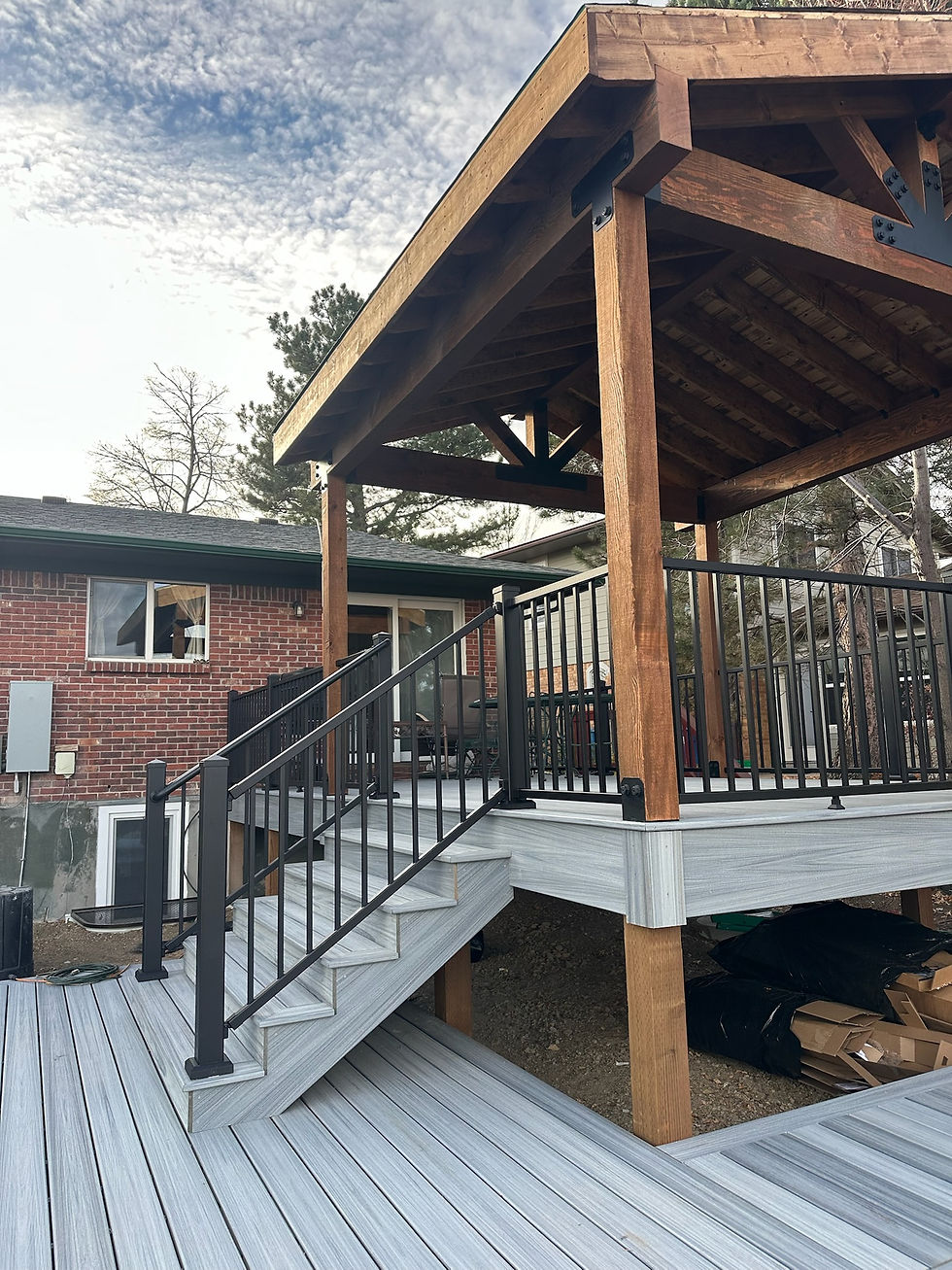
Denver custom decks are designed specifically for Colorado homes, combining durable materials, smart layouts, and weather-resistant construction. A well-built deck expands outdoor living space while standing up to sun, snow, and elevation changes common across the Denver metro area.
Why Homeowners in Denver Are Investing in Custom Decks
Across neighborhoods in Lakewood, Arvada, and Golden, homeowners are rethinking how they use their outdoor spaces. Instead of basic builder-grade decks, many are choosing custom designs that feel like an extension of the home.
Colorado’s climate makes outdoor living valuable. With more than 300 days of sunshine per year in Denver, homeowners can enjoy decks far beyond summer.
A custom deck can transform a backyard into a functional living area for:
Outdoor dining
Entertaining friends and family
Relaxing with mountain views
Outdoor kitchens or fire features
Hot tubs or covered lounge areas
When designed correctly, a deck becomes one of the most used areas of the home.
TL;DR: What Makes a Great Custom Deck?
A great deck balances smart design, durable materials, and professional installation.
In Colorado, the best decks are built to handle intense sun, snow loads, and seasonal temperature swings while maximizing outdoor living space.
Smart Design Features That Elevate Custom Decks
A custom deck isn't just about size. The best designs focus on functionality and flow.
Multi-Level Layouts
Multi-level decks help separate spaces for different activities.
For example:
Upper level for grilling and dining
Lower level for seating or fire pits
Side platform for hot tubs
This layout also works well for sloped Colorado lots, which are common in foothill communities like Golden.
Built-In Features
Custom construction allows homeowners to integrate features that improve usability and aesthetics.
Popular upgrades include:
Built-in seating
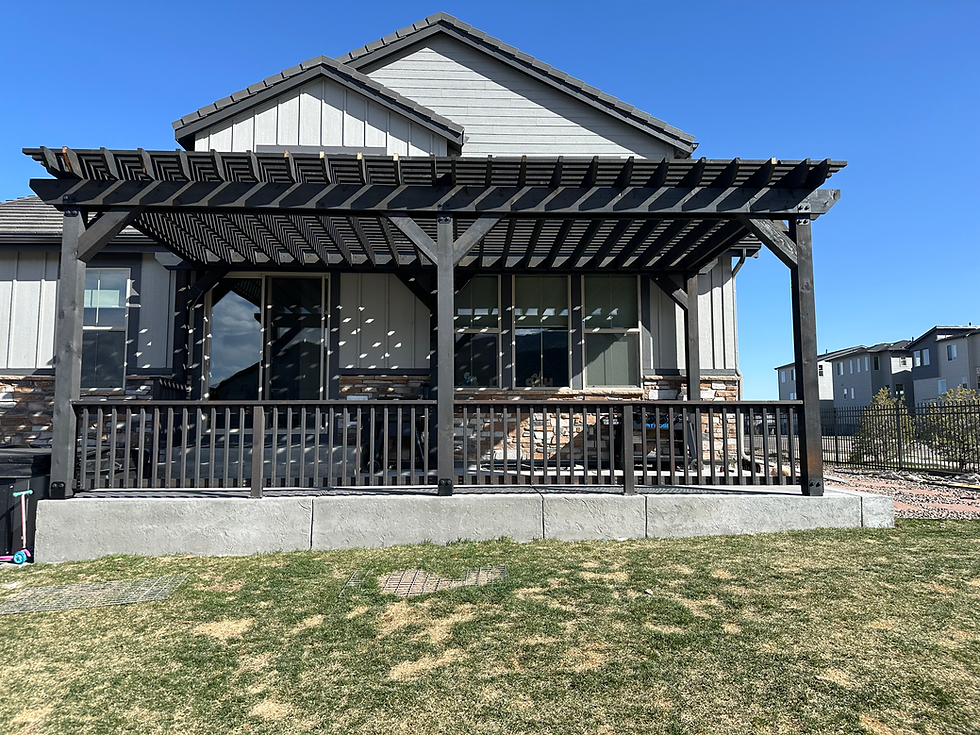
Pergolas or shade structures
Integrated lighting
Privacy walls
Cable or glass railings
These features help decks feel more like outdoor rooms rather than simple platforms.
Choosing Materials That Handle Colorado Weather
One of the most important decisions in deck construction is material selection.
Denver’s elevation and sun exposure can be tough on traditional wood decks.
Composite Decking
Composite materials are extremely popular for modern decks because they:
Resist moisture and rot
Require minimal maintenance
Maintain color longer in intense sunlight
Pressure-Treated Lumber
Pressure-treated wood remains a cost-effective option and can last for years with proper maintenance and sealing.
Structural Framing
Professional builders ensure framing meets Colorado building codes and snow load requirements.
Proper framing includes:
Correct joist spacing
Structural hardware
Proper footing depth for freeze-thaw cycles
These details are what separate long-lasting decks from ones that fail prematurely.
Planning a Deck That Fits Your Home and Property
A successful deck design begins with understanding how the space will be used.
Before construction begins, homeowners should consider:
Sun exposure throughout the day
Views and privacy
Traffic flow from the home
Yard slope and drainage
HOA or city permitting requirements
In cities like Lakewood and Arvada, building permits are typically required for elevated decks.
Working with an experienced builder ensures the project meets:
Local codes
Structural standards
Safety requirements
This planning stage prevents costly surprises later.
Why Professional Deck Builders Matter
A deck may seem simple, but structural integrity matters more than most homeowners realize.
Improper construction can lead to:
Sagging joists
Loose railings
Water damage
Unsafe structural connections
According to the North American Deck & Railing Association, more than 30 million decks in the U.S. are past their useful life or need repairs. Proper construction helps prevent these issues and ensures the deck lasts for decades.
Experienced builders understand:
Colorado soil conditions
Snow load requirements
Proper drainage and ventilation
Structural fasteners and framing methods
These details protect both the home and the investment.
Local Insight: Building Decks Along the Front Range
Deck construction in the Denver area requires knowledge of local conditions.
Front Range homes deal with:
High UV exposure
Rapid temperature swings
Heavy spring snowstorms
Dry summer conditions
Builders working regularly in Lakewood, Arvada, and Golden know how to design decks that handle these environmental factors.
This often means selecting UV-resistant materials and installing stronger structural framing than lower-elevation areas might require.
Creating a Backyard Space You'll Actually Use
The best decks are designed around lifestyle.
Ask yourself:
Do you host large gatherings?
Do you want outdoor cooking space?
Do you prefer shade or sun?
Will the deck connect to a patio or yard area?
Answering these questions helps shape the final layout.
Homeowners often discover that a thoughtful design can turn an underused backyard into a favorite gathering space.
Start Planning Your Custom Deck
If you're considering Denver custom decks for your home, the first step is talking with a builder who understands Colorado construction and outdoor living design.
CJ King Construction works with homeowners throughout Lakewood, Arvada, and Golden to design decks that are built to last and fit the way families actually use their outdoor spaces.
You can also explore ideas on our custom deck services page or see examples of projects in local communities.
When you're ready, reach out for a conversation about your space and what’s possible.


Comments